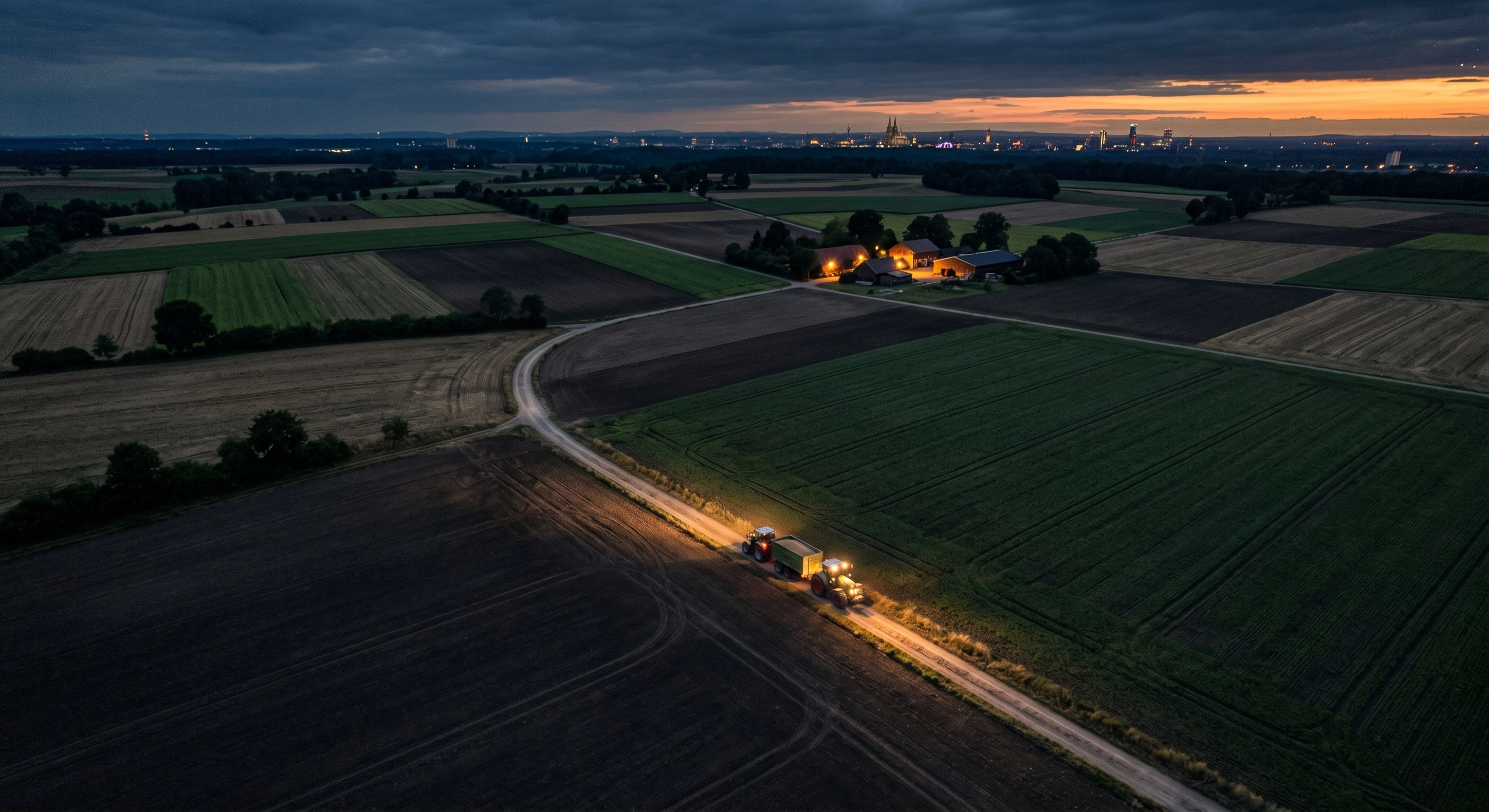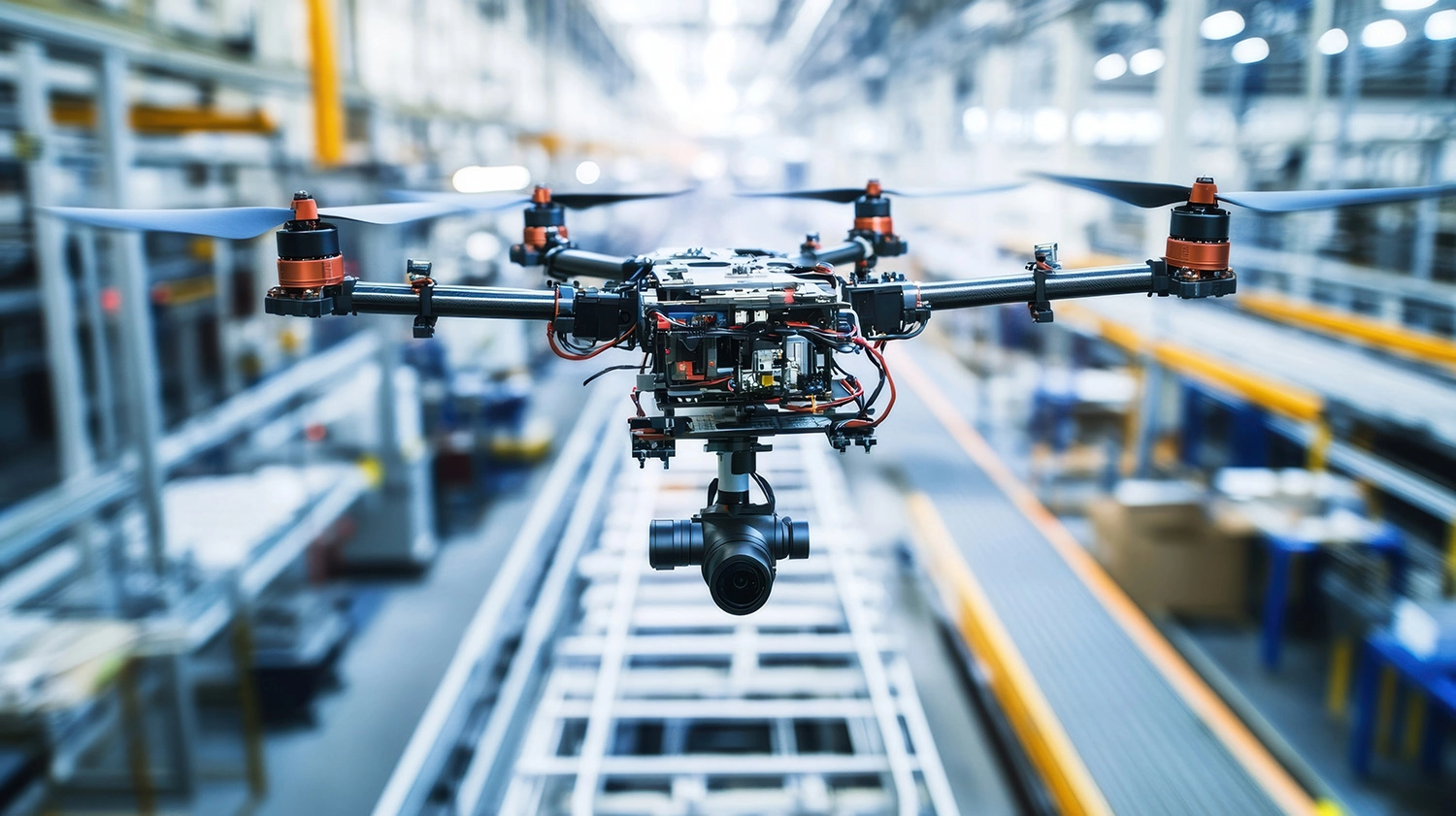
Drones have evolved from niche devices into indispensable tools across a wide range of industries. Today, they are used for aerial photography and videography, infrastructure inspection, precision agriculture, mapping and surveying, public safety, environmental monitoring, autonomous operations, and airspace security applications such as counter-drone detection and monitoring. As drones play an increasingly important role in critical decision-making and automated workflows, the quality and reliability of their imaging systems have become paramount.
The performance of a drone camera system depends on more than just sensor resolution. Applications such as inspection, surveying, object detection, and navigation require cameras that can deliver consistent image quality under highly variable conditions. Drone cameras often operate in bright sunlight, low-light environments, high-contrast scenes, and rapidly changing weather conditions while capturing stable images from a moving platform.
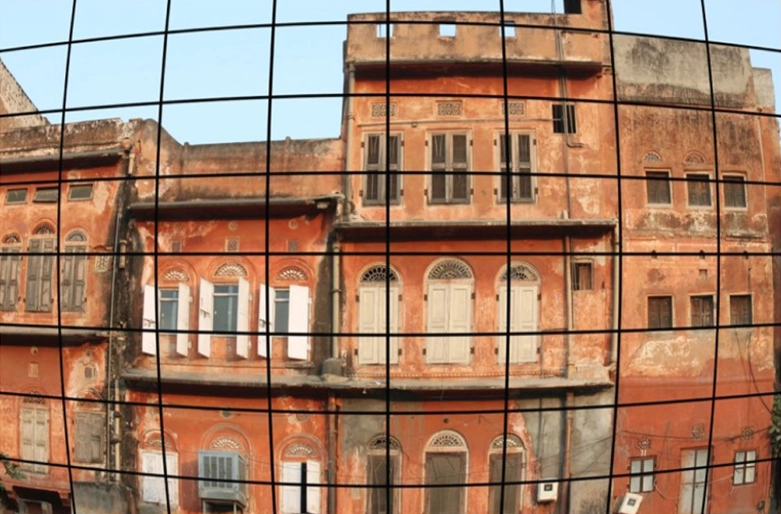
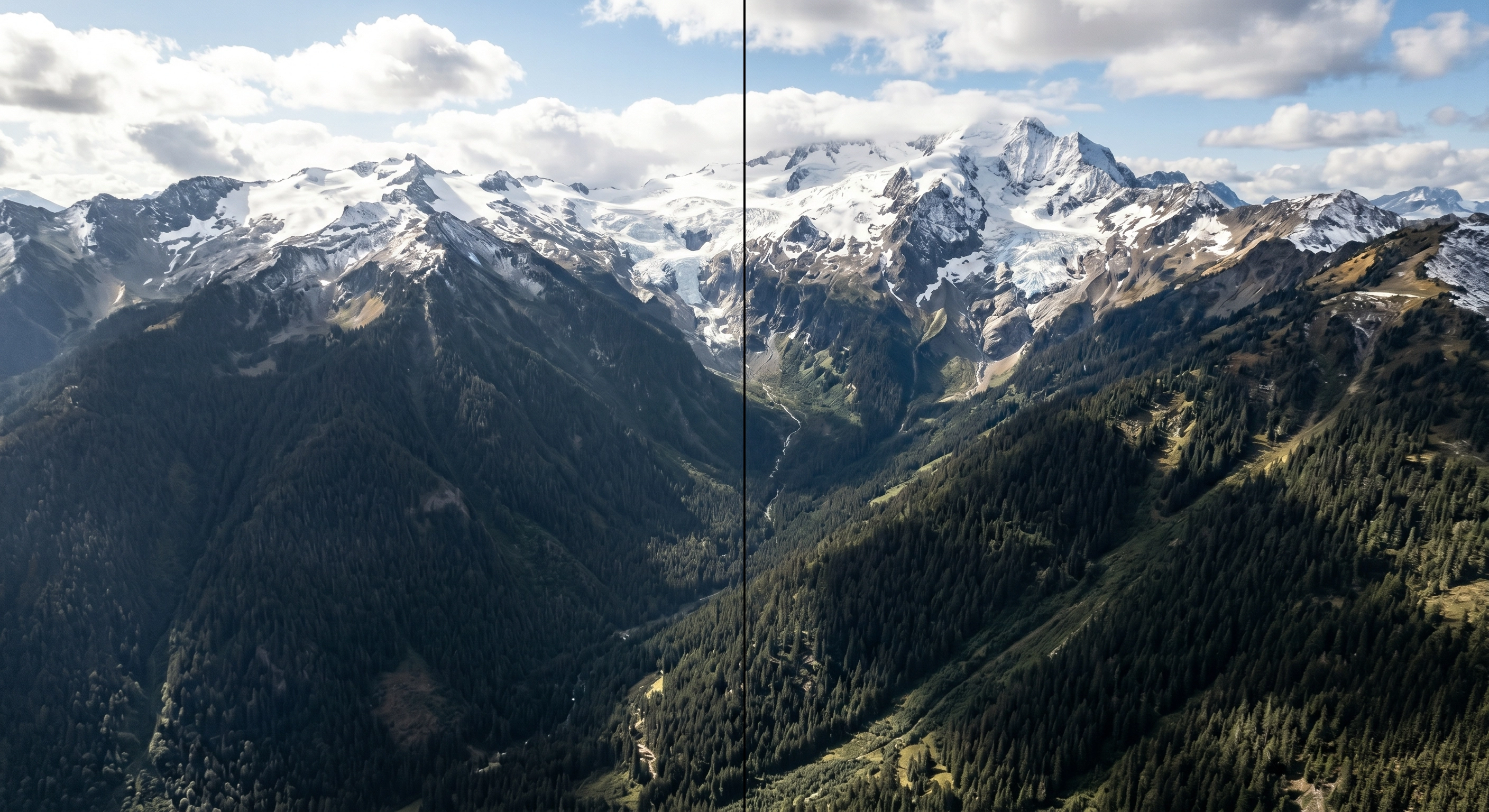
To ensure reliable operation, drone imaging systems must be evaluated based on various image quality parameters, such as resolution, dynamic range, noise, color reproduction, distortion, flare, motion artifacts, and low-light performance. These factors directly influence the accuracy of image analysis, object recognition, photogrammetry, and autonomous navigation systems.
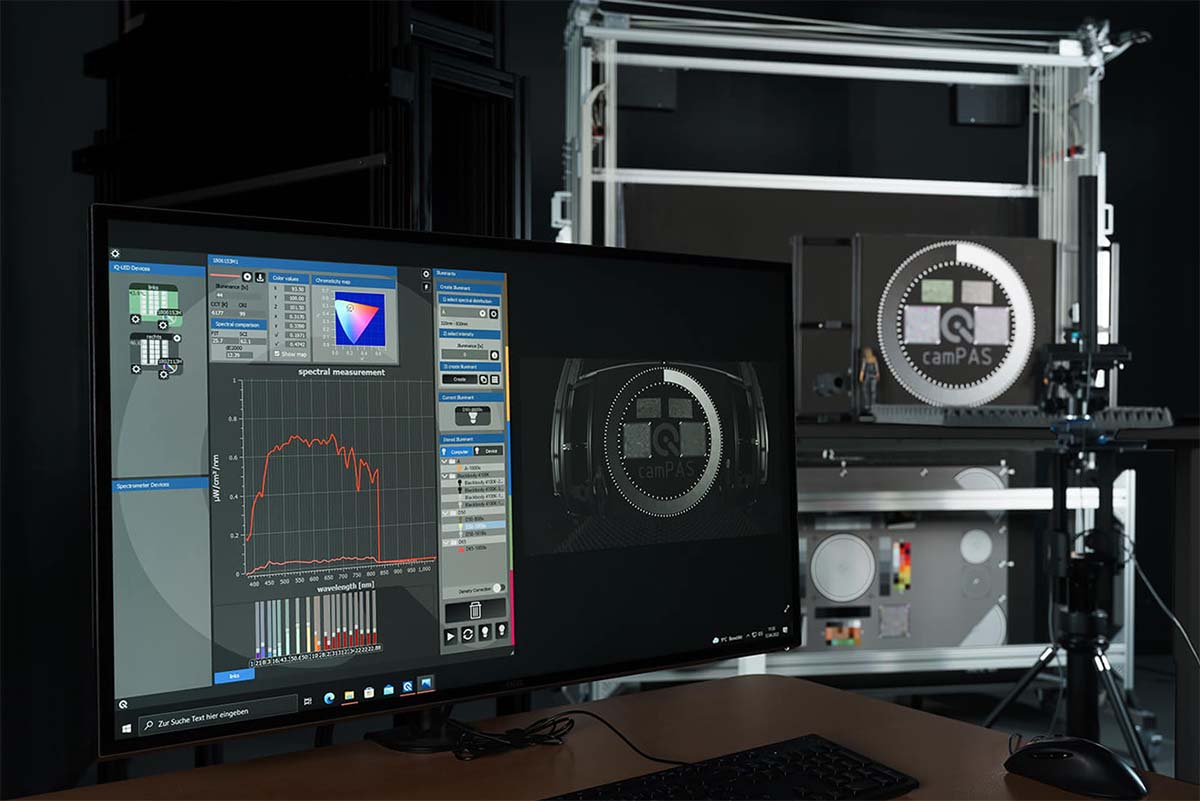
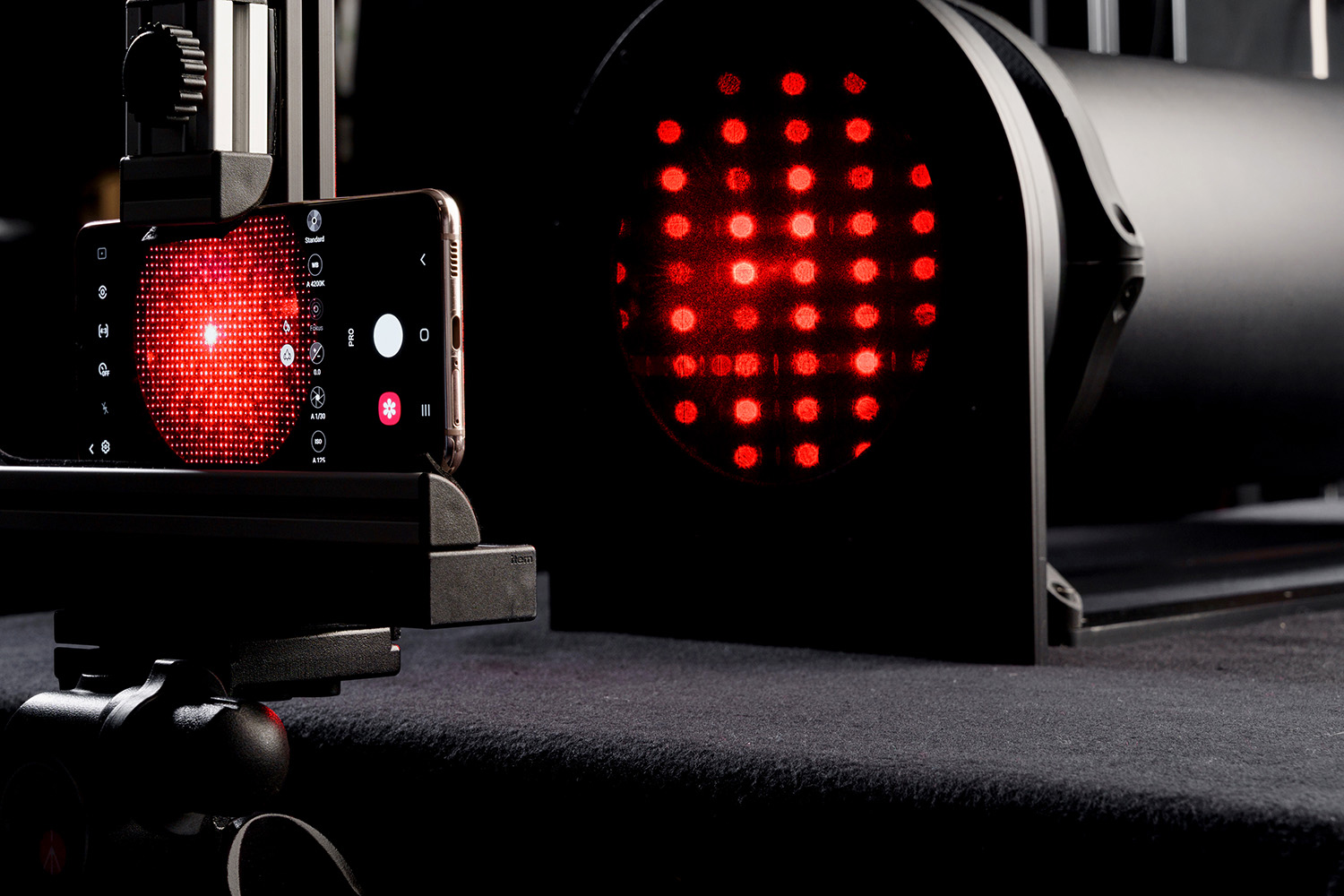
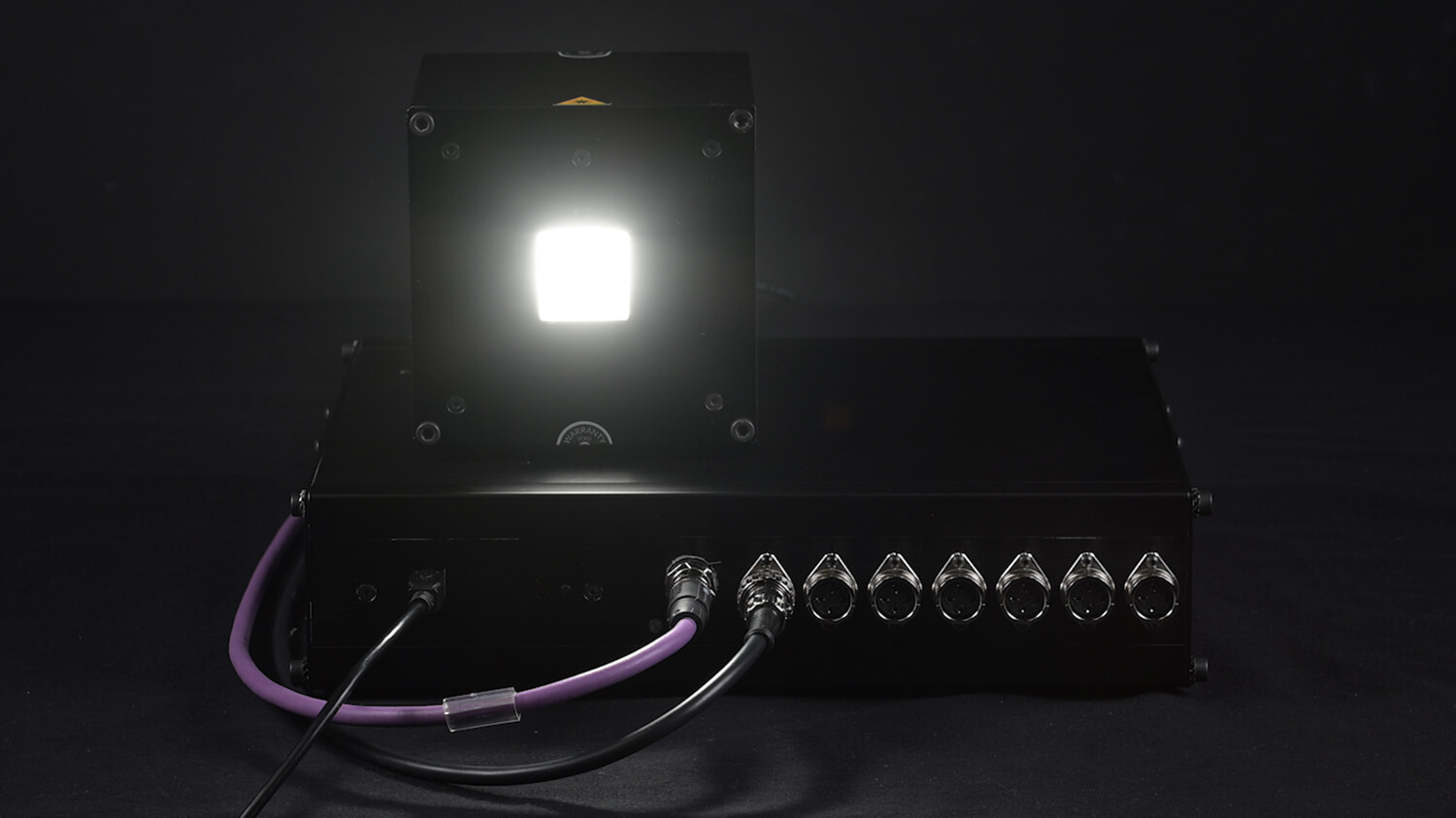
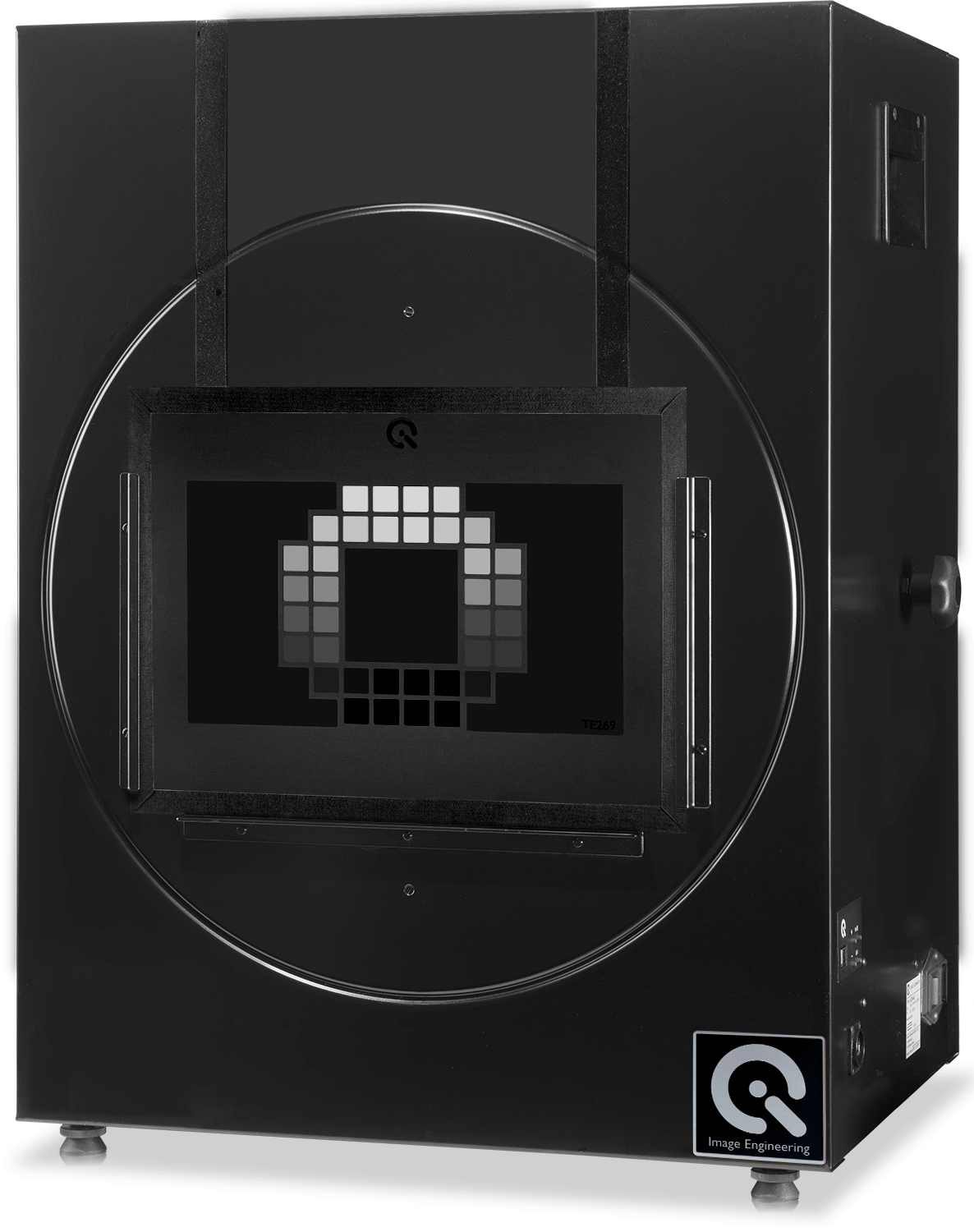
At Image Engineering, we provide comprehensive image quality testing solutions for drone cameras and imaging systems. Our portfolio includes test charts, illumination systems, software, and customizable test setups designed to objectively and efficiently evaluate imaging performance. Our solutions help manufacturers optimize image quality and validate performance throughout the development process, whether they are developing cameras for aerial imaging, mapping, industrial inspection, or autonomous flight.