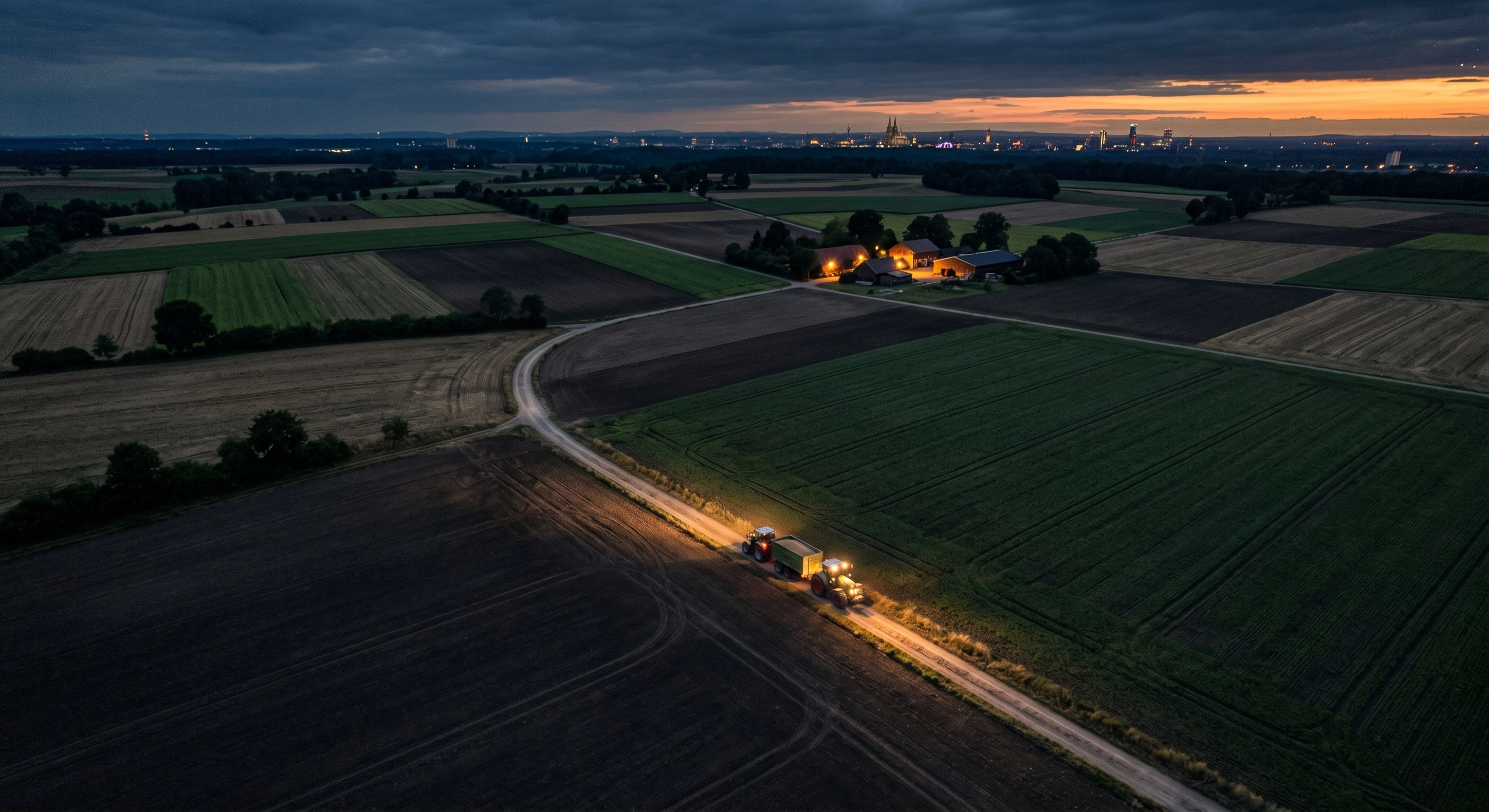
In drone-based imaging, maintaining high image quality in low-light environments is a persistent challenge. From early morning and late evening flights to operations in shaded urban areas, forests, or industrial sites, drone cameras are expected to deliver reliable images even when lighting conditions are limited.
As light levels decrease, typical imaging limitations become more pronounced: increased noise, loss of fine detail, motion blur, and reduced visibility of critical features. These effects can significantly impact applications such as inspection, mapping, object detection, and autonomous navigation, where accurate visual information is essential.
Unlike static ground-based systems, drone cameras must capture stable and usable data while operating from a moving platform under continuously changing lighting conditions. This makes robust low-light performance a key requirement for ensuring consistent results across a wide range of aerial imaging scenarios.
To objectively evaluate and improve performance under such conditions, standardized testing approaches are essential. Defined illumination levels, dedicated test charts, and reproducible measurement procedures enable manufacturers and system developers to assess low-light image quality in a consistent and comparable manner.
Standards such as ISO 19093, developed by ISO/TC 42, provide structured methodologies for evaluating the low-light performance of digital cameras. Applying such frameworks to drone imaging systems helps ensure reliable operation, supports performance optimization, and enables objective benchmarking across different camera technologies.