Machine VisionImage Quality

    A look at the advanced test solutions for evaluating the image quality performance of machine vision camera systems.

    Discover Machine Vision Solutions
    Machine Vision

    Industry Overview

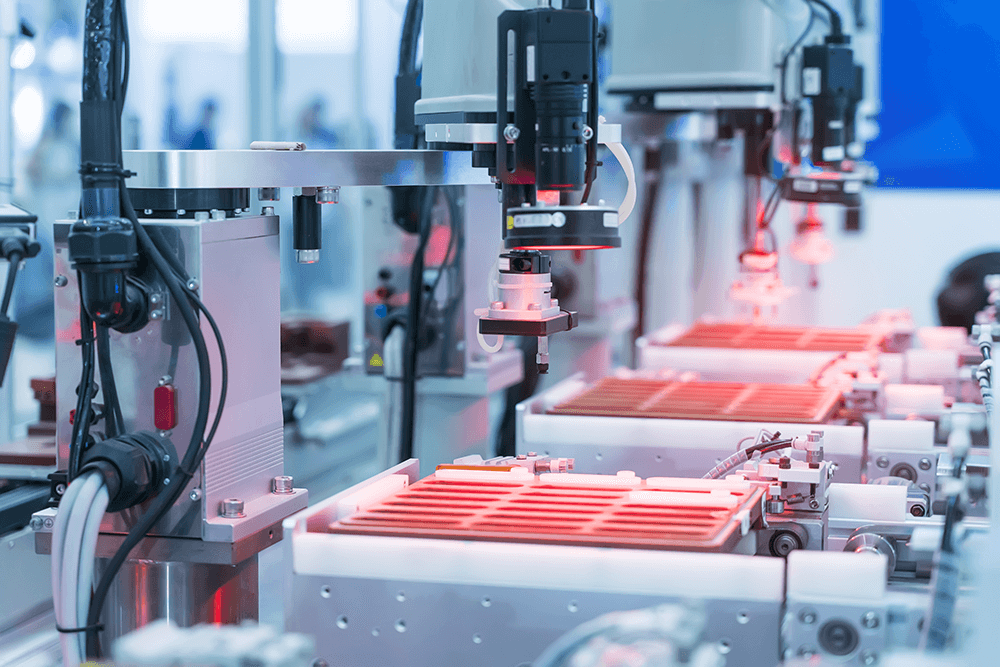
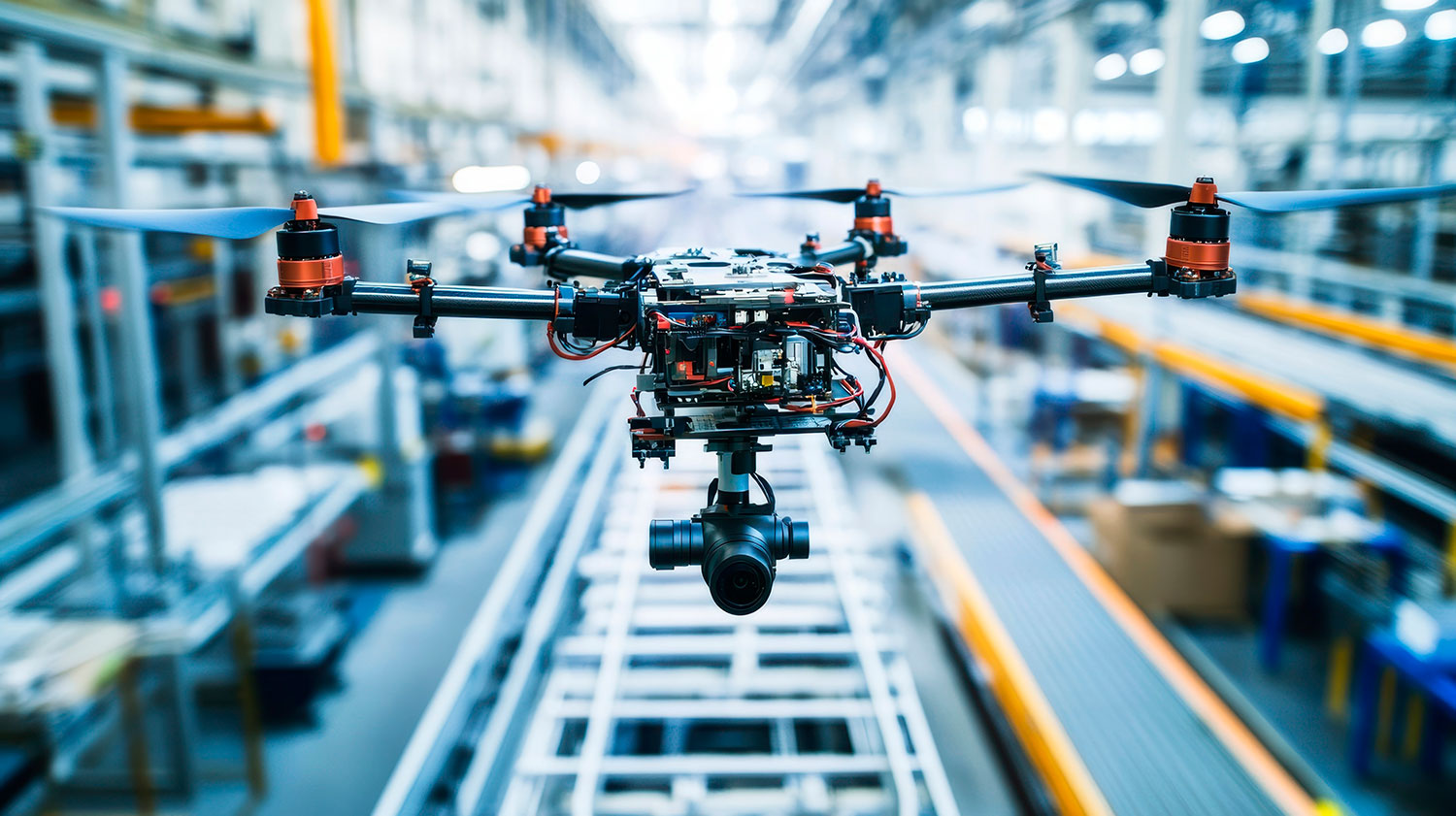
    Machine vision camera systems are more prevalent than ever today as we rely more on automation and robotics to improve efficiency, safety, and performance. These systems enable machines to perceive and analyze their surroundings, using sophisticated cameras, sensors, and processing systems to detect and interpret objects within their field of view.

    Machine vision systems are critical to numerous applications, including manufacturing, robotics, logistics, automated driving, and virtual reality. Because they are vital to our advancing society, these machine vision systems must be thoroughly tested during development to ensure high performance and safety.

    At Image Engineering, we have been closely involved in advancing these systems by developing testing solutions that engineers use to assess image quality. Our solutions always closely follow international standards, such as EMVA 1288. The standard defines the key factors and test methods for machine vision image quality, including sensitivity, noise, linearity, dark current, and spatial nonuniformity.

    EMVA 1288 is currently being adapted to ISO 24942. Our own Dietmar Wueller is leading this changeover.
    Main Applications

    Machine vision camera systems cover many applications that are essential to understanding the image quality performance.

    EMVA 1288/ISO 24942

    EMVA 1288/ISO 24942

    An industry-leading standard that outlines performance thresholds and key performance indicators (KPIs) to determine the image quality performance of machine vision camera systems.
    Production Line Calibration

    Production Line Calibration

    Calibrating cameras on a production line can be efficient but challenging without the proper calibration equipment.
    Temporal Noise

    Temporal Noise

    Understanding how pixel value fluctuations between images or scenes can generate unwanted noise and how this noise can impact a system's ability to detect and identify objects in a scene.
    Image Distortion

    Image Distortion

    One of the bigger challenges for machine vision cameras is eliminating (or at least limiting) distortion. Distortion can lead to geometric inaccuracies, making distances and object sizes difficult for machine vision systems to measure.

    Relevant Standards for Machine Vision

    A look at the crucial industry standards for testing and evaluating machine vision camera image quality.

    EMVA 1288

    A leading standard from the European Machine Vision Association (EMVA) that outlines and defines key metrics and testing methods.

    ISO 24942

    Adapting the EMVA 1288 standard to ISO to expand its reach. Dietmar Wueller will be leading the changeover.

    Key Products

    See a few of our advanced test solutions for assessing the image-quality performance of machine-vision camera systems.

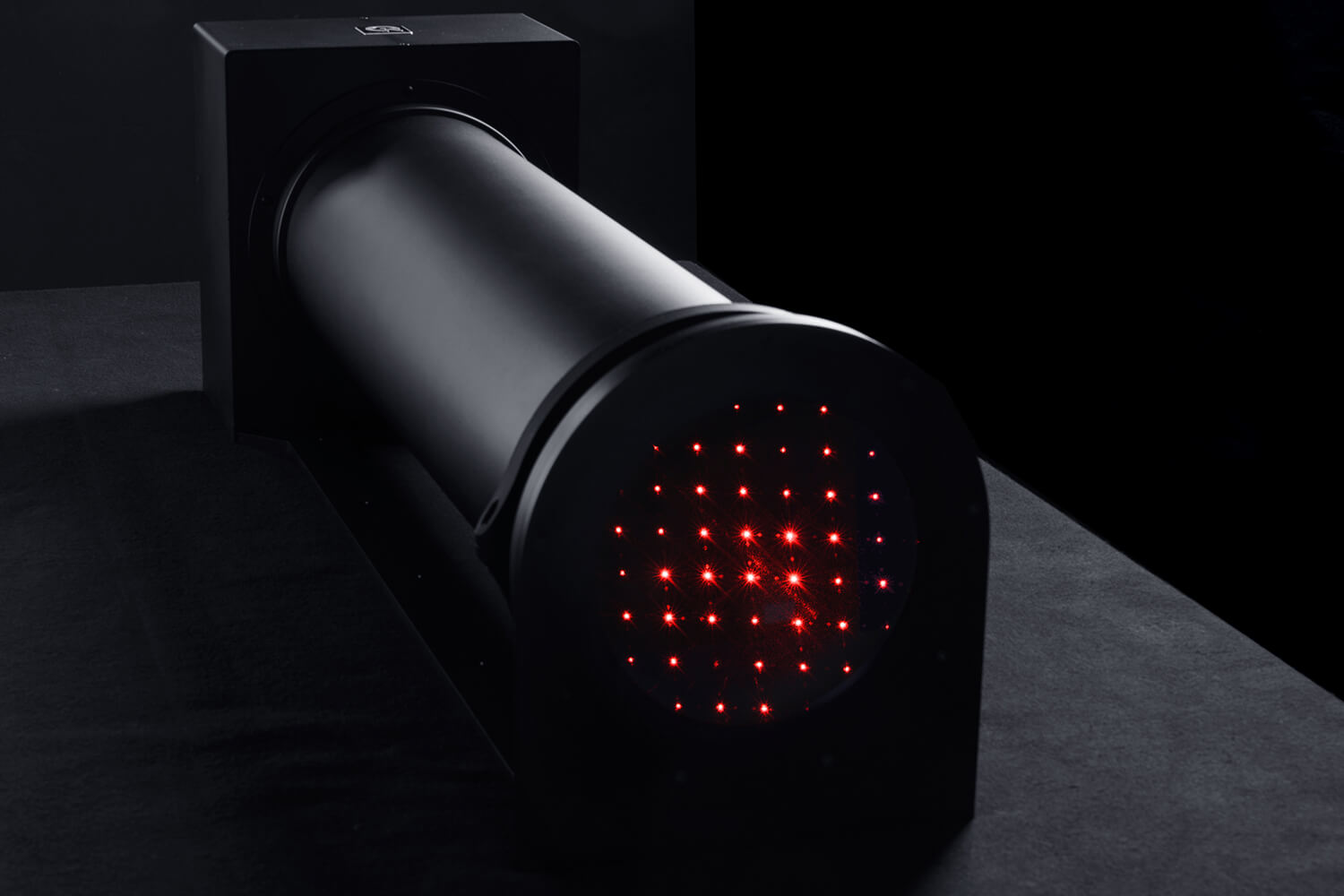
    GEOCAL

    GEOCAL

    A compact device for geometric calibrations and distortion measurements. Remove distortion from an image using the GEOCAL and OpenCV.
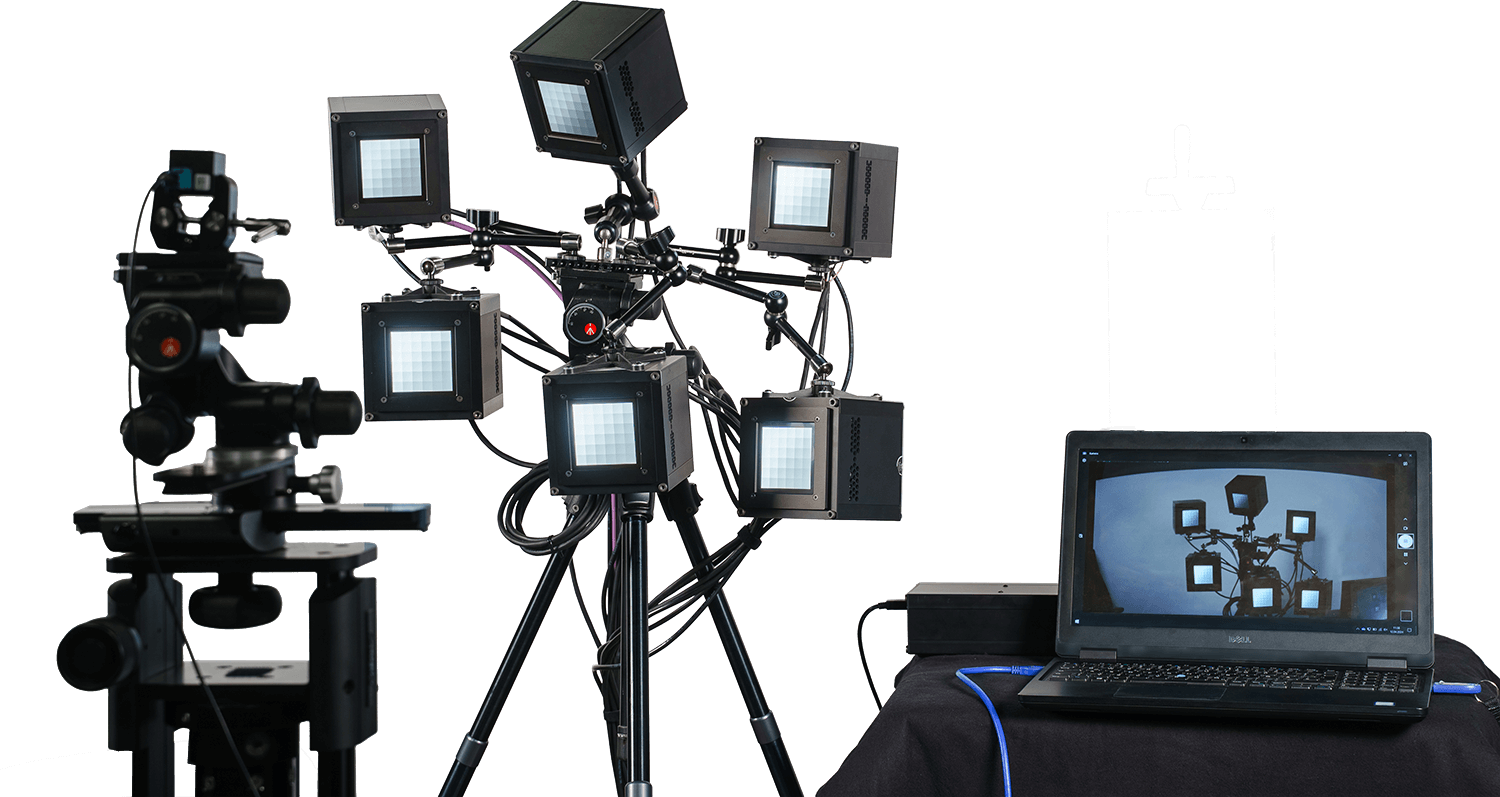
    Versatile Light System (VLS)

    Versatile Light System (VLS)

    A flexible test setup optimized for machine vision applications related to advanced driver assistance systems (ADAS).
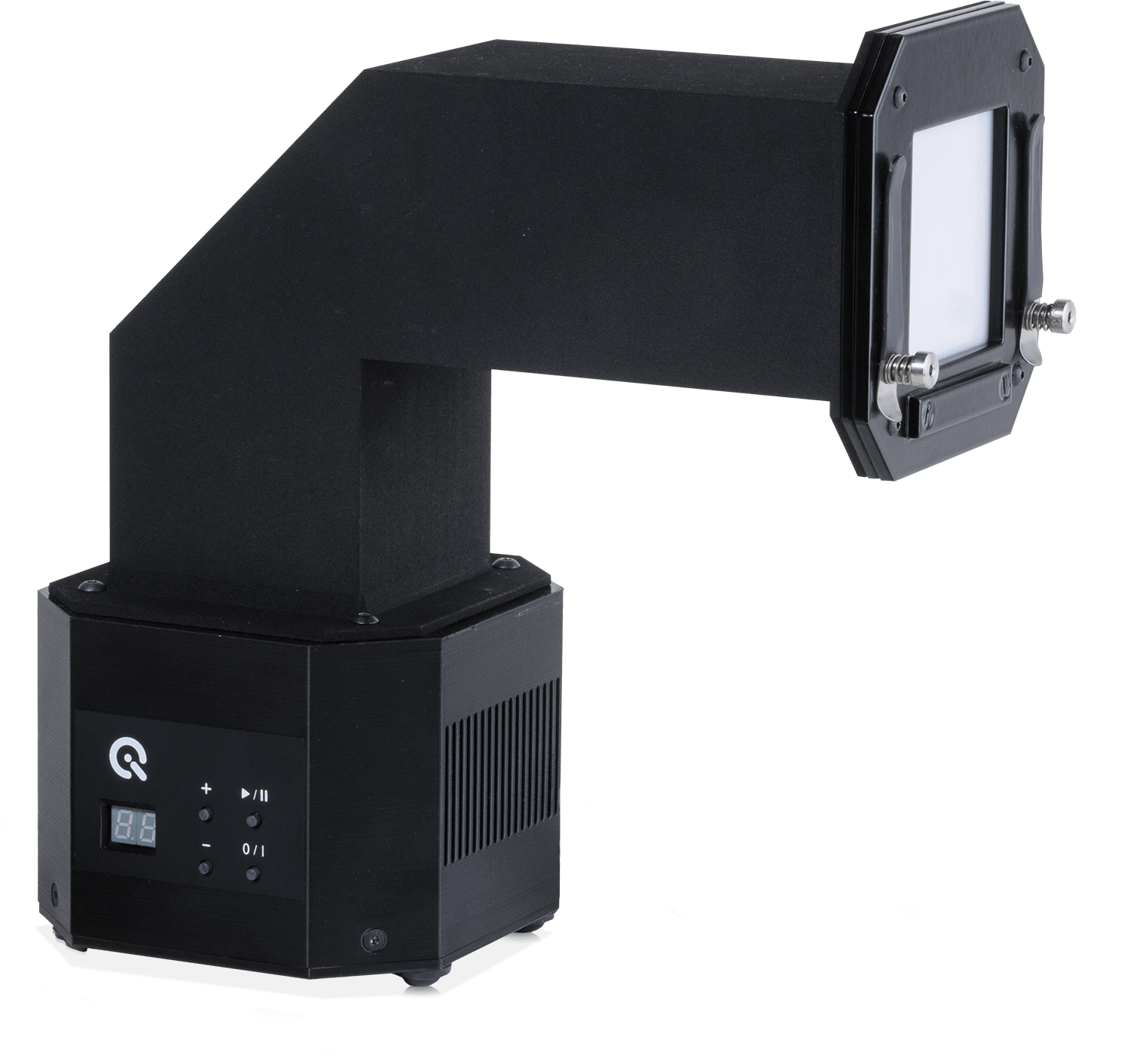
    CAL2

    CAL2

    An iQ-LED-powered light source optimized for calibrating cameras on a production line.

    Aeon Camera Calibrator (ACC)

    Aeon Camera Calibrator (ACC)

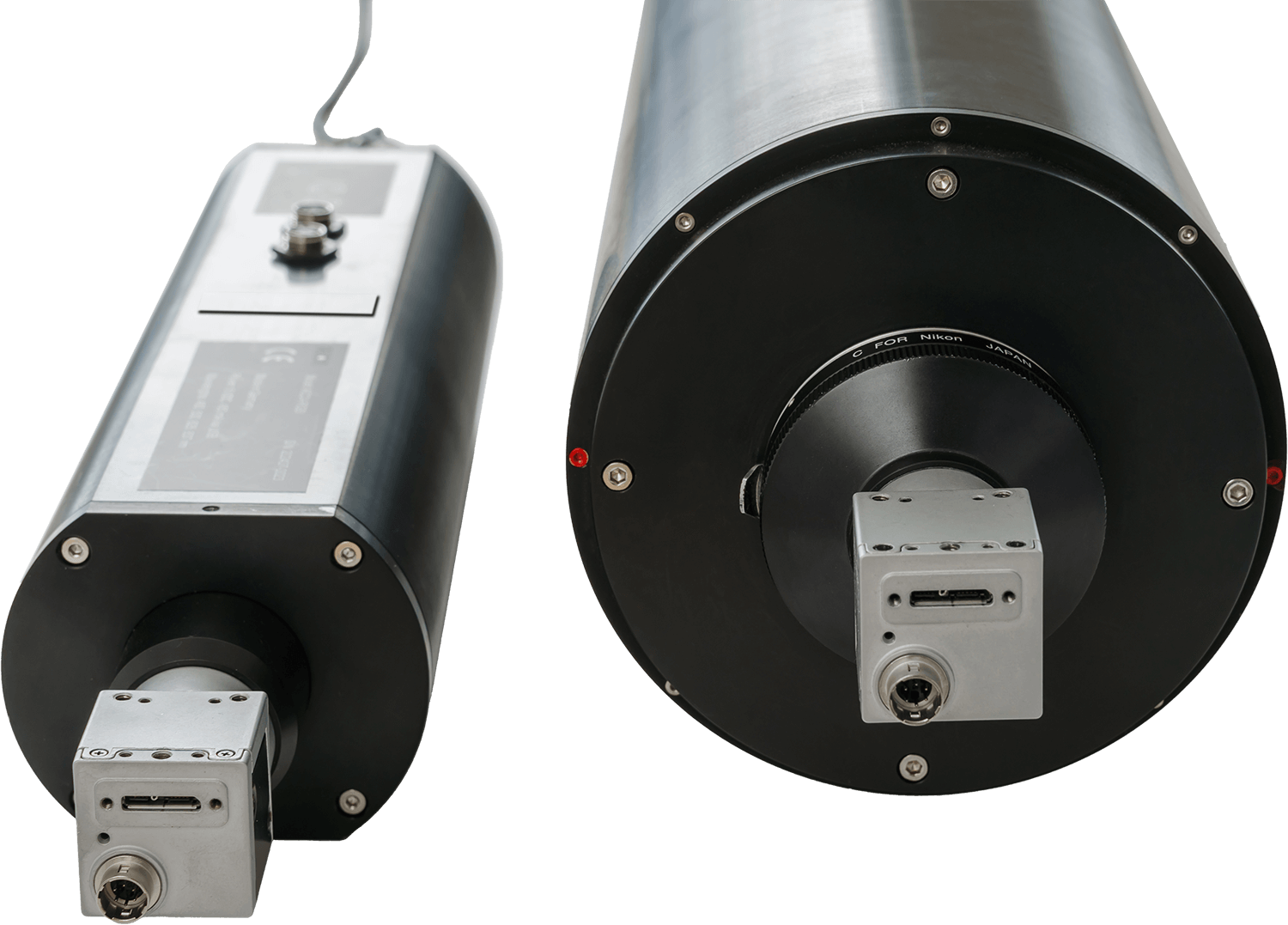
    A modular optical system designed to test machine vision cameras and based directly on the measurement parameters outlined in the EMVA 1288 standard.

    Machine Vision Test Services

    Partner with our image quality test lab for professional and reliable test results using the latest test solutions.

    Let us test your cameras!

    We house one of the world's largest independent and objective camera test labs. For over twenty years, we have provided objective camera tests to companies looking to improve the image quality performance of their digital cameras.

    Our test lab always adheres to the testing methods established by international standards, including EMVA 1288, when applicable. AEON has trained our engineers to run tests using the AEON Camera Calibrator, in addition to the many other advanced tools we use to test the image quality performance of machine vision camera systems.

    Check out our Test Lab pages for more information.

    Example Test Solutions

    A look at example solutions for building a full image quality test setup for machine vision camera systems.

    Test Setup 1: EMVA 1288/ISO 24942

    The goal of this test solution is to evaluate the image quality factors described in the EMVA 1288 international standard for web cam and video conferencing applications. Factors include sensitivity, noise, linearity, dark current, and spatial nonuniformity.

    Ideal Equipment:

    • AEON Camera Calibrator (ACC)

    • Heurisko® image processing platform

    The AEON Camera Calibrator is a modular optical system designed to test machine vision camera systems. The Heurisko® image processing platform (included with the ACC) is used to analyze test results.

    Test Setup 2: Production Line Calibration

    The goal of this test setup is to efficiently calibrate camera modules on a production line.

    Ideal equipment:

    • CAL2 – Calibration light source

    • EX2 – External spectrometer

    The CAL2 is a spectrally tunable light source powered by iQ-LED technology. It is specifically designed to be integrated into production lines for camera calibrations. The EX2 is a NIST traceable, calibrated external measuring device.