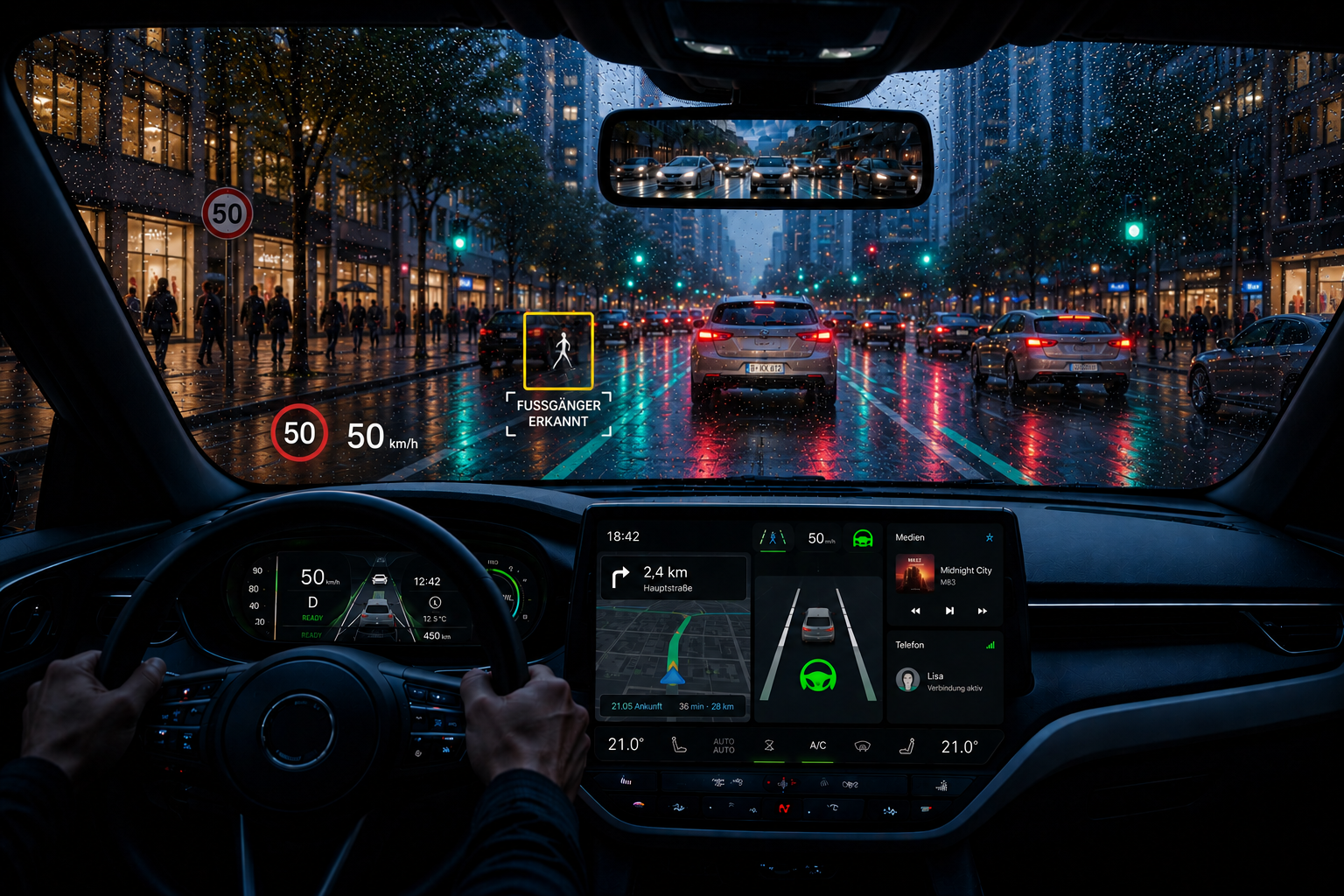
Over the past two decades, an increasing number of cameras have been integrated into automobiles, and today, advanced driver assistance systems (ADAS) have become indispensable in modern cars.
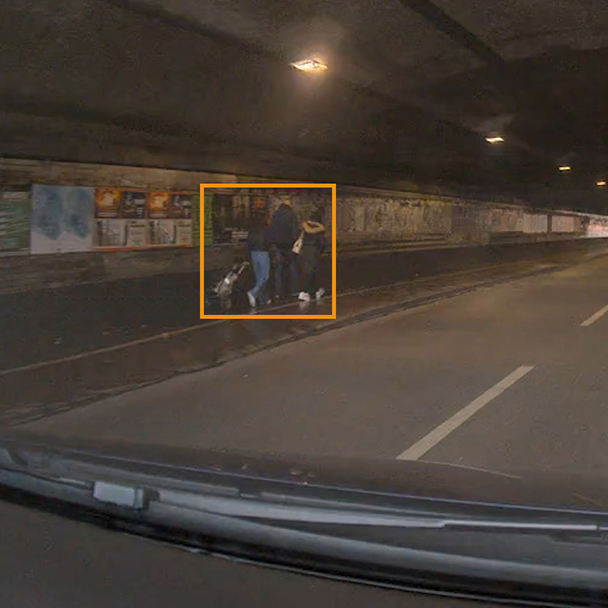
Image quality is the foundation of how automotive cameras and sensor systems "see" the world. Cameras are used to recognize lanes, vehicles, pedestrians, traffic signs, and obstacles, often in situations where decisions must be made in fractions of a second.
When contemplating self-driving vehicles, many people envision a vehicle where one gets in and is transported to the destination, allowing for the use of drive time for other activities, such as work, watching television, or simply sleeping. To make this vision a reality, the vehicle sensor systems must function reliably regardless of time of day, weather, lighting, or road conditions.
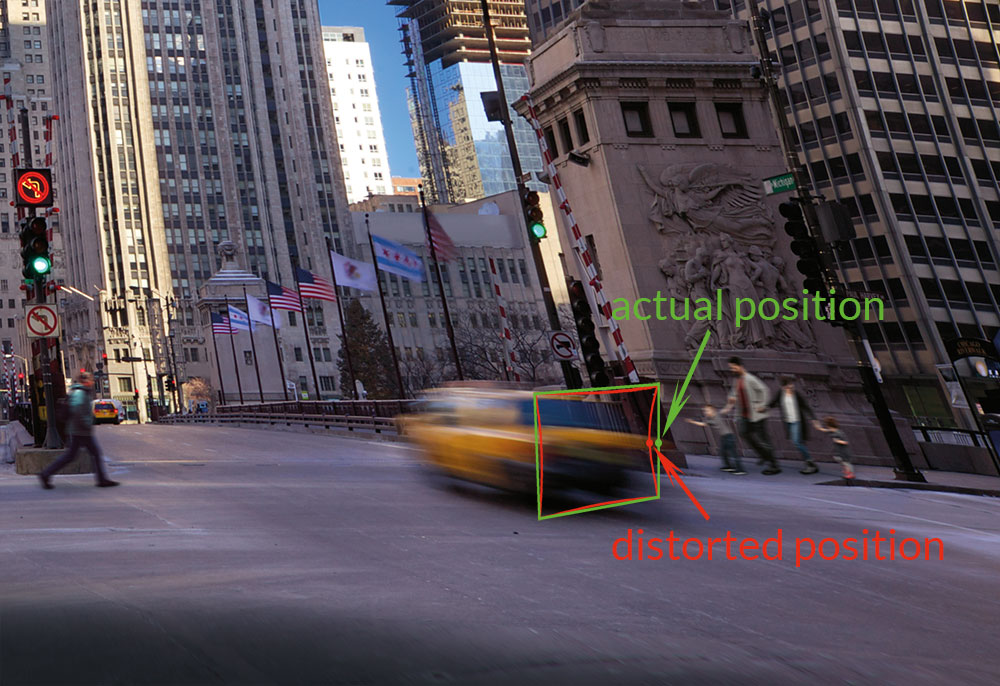
Without properly calibrated and characterized systems, images may become blurry, noisy, poorly exposed, or distorted, and the system may misinterpret what's happening on the road. On top of that, these systems must perform the same at night, in extreme weather conditions such as bright sunlight and heavy fog, and in other complex urban environments with lots of variables.
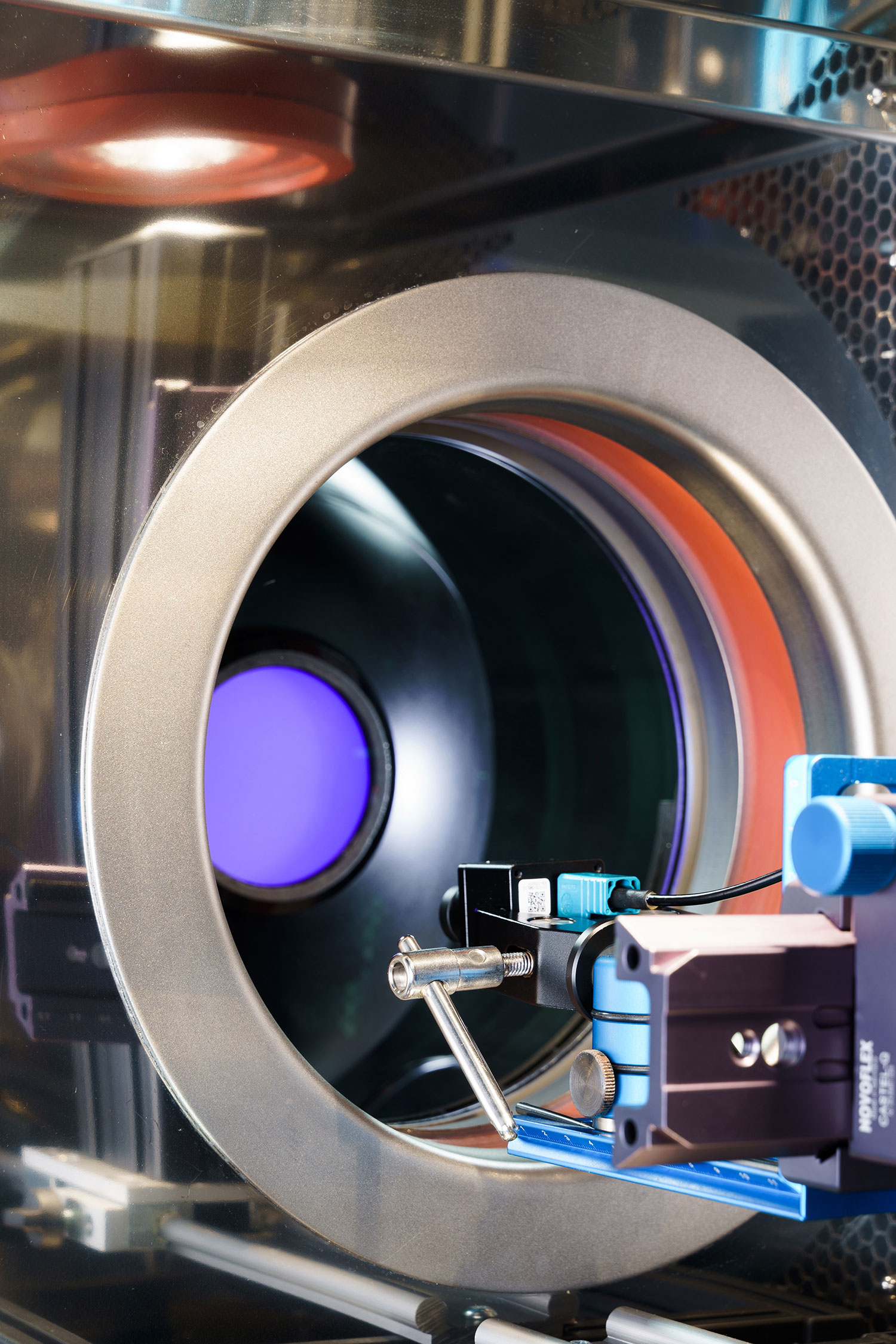
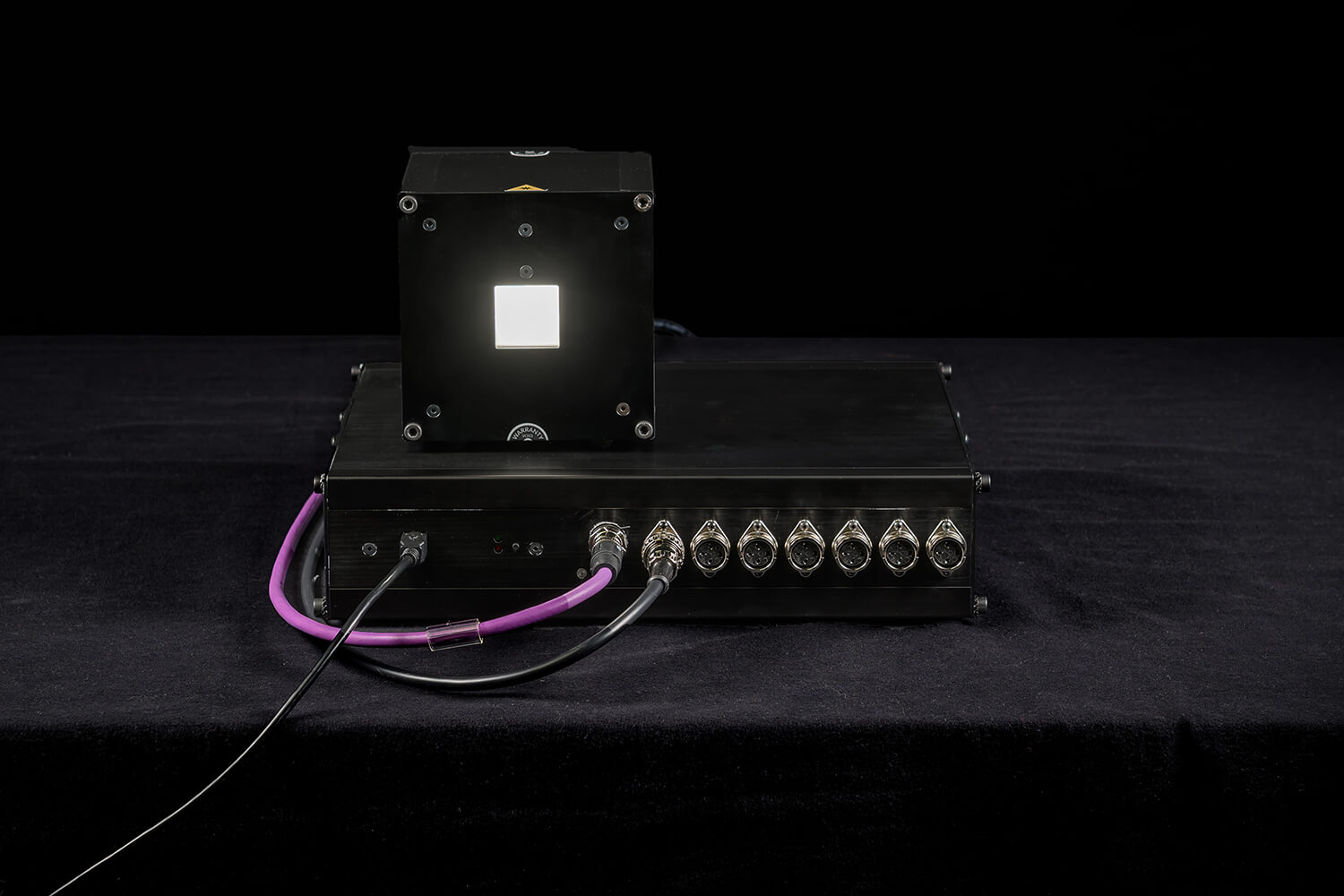
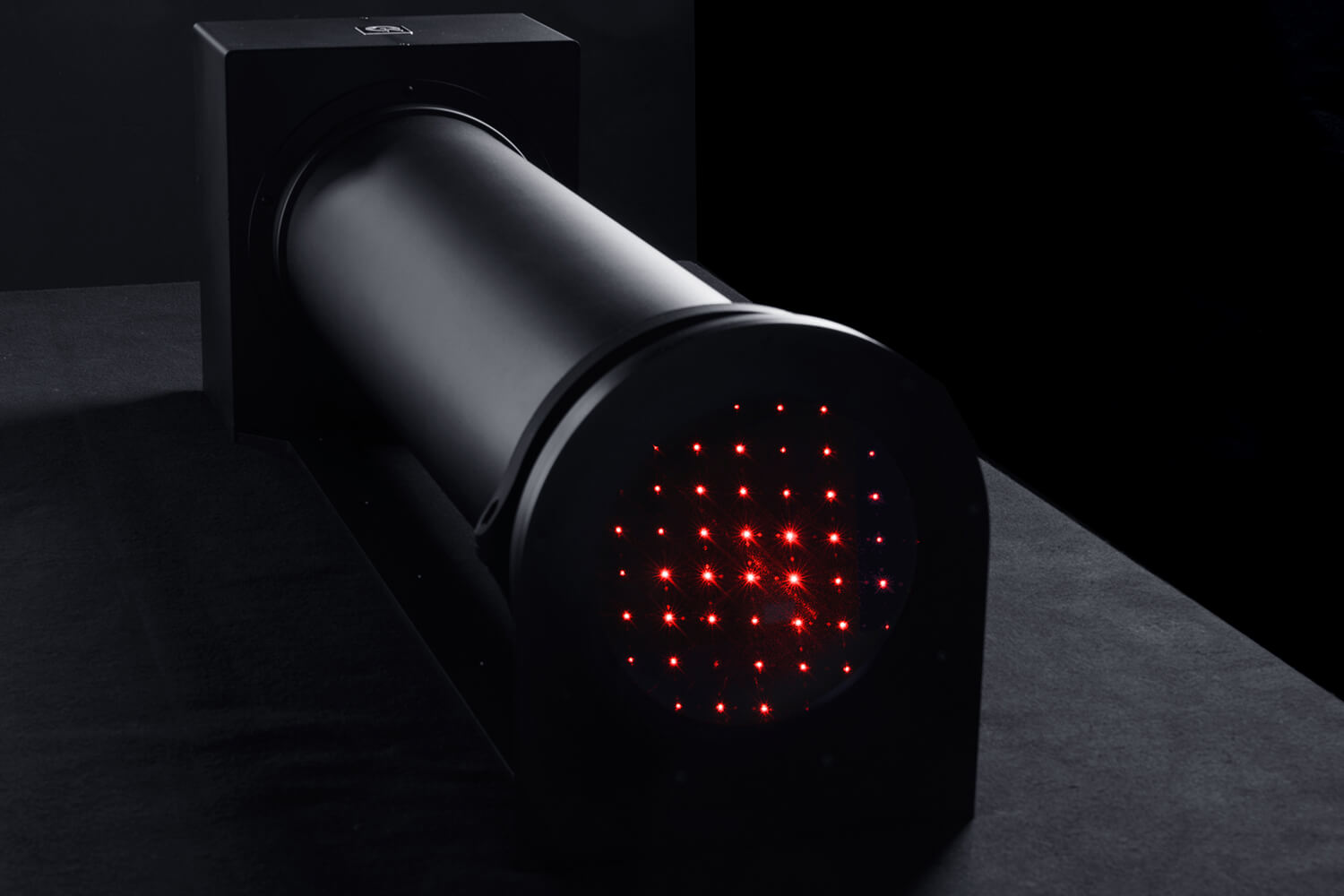
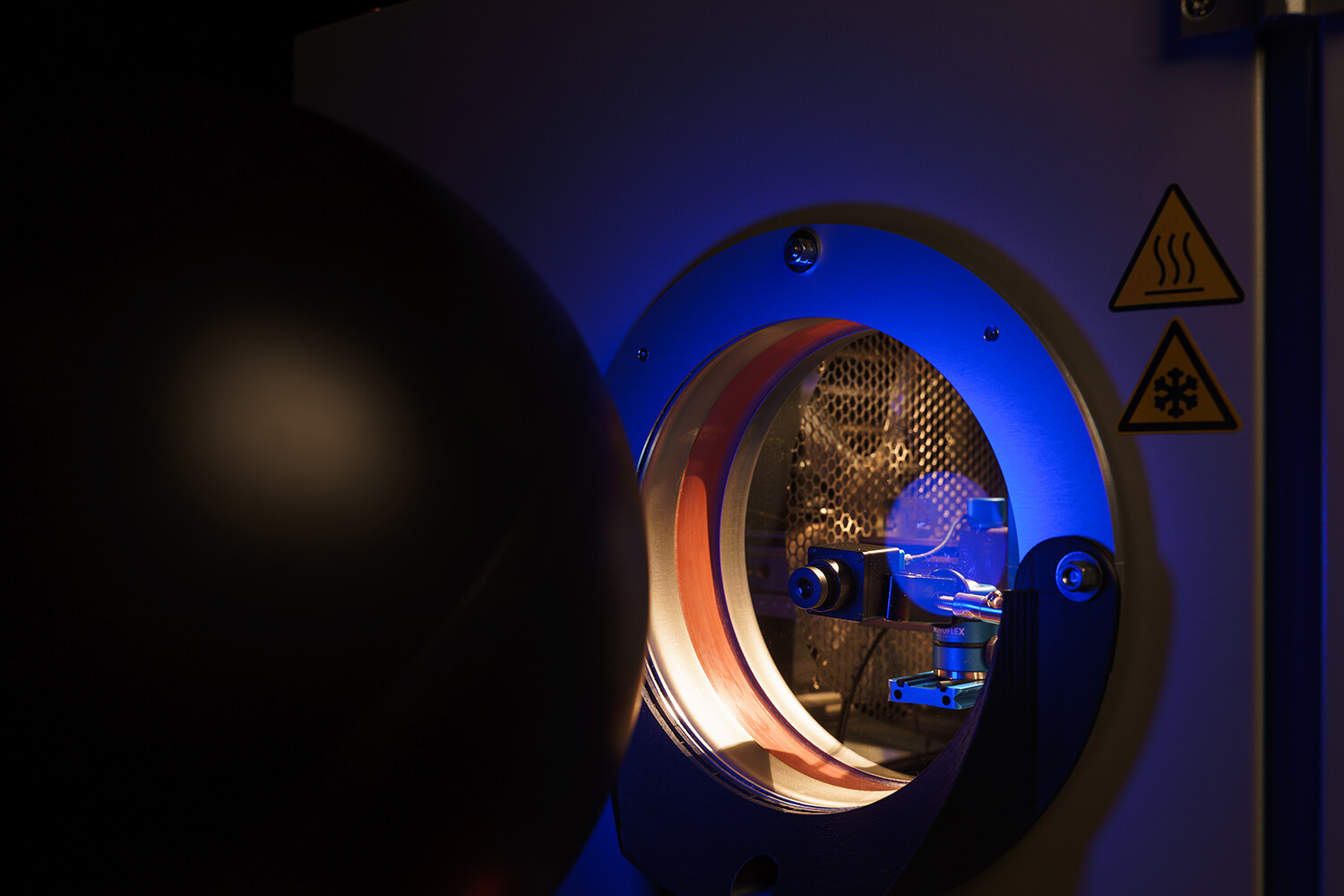
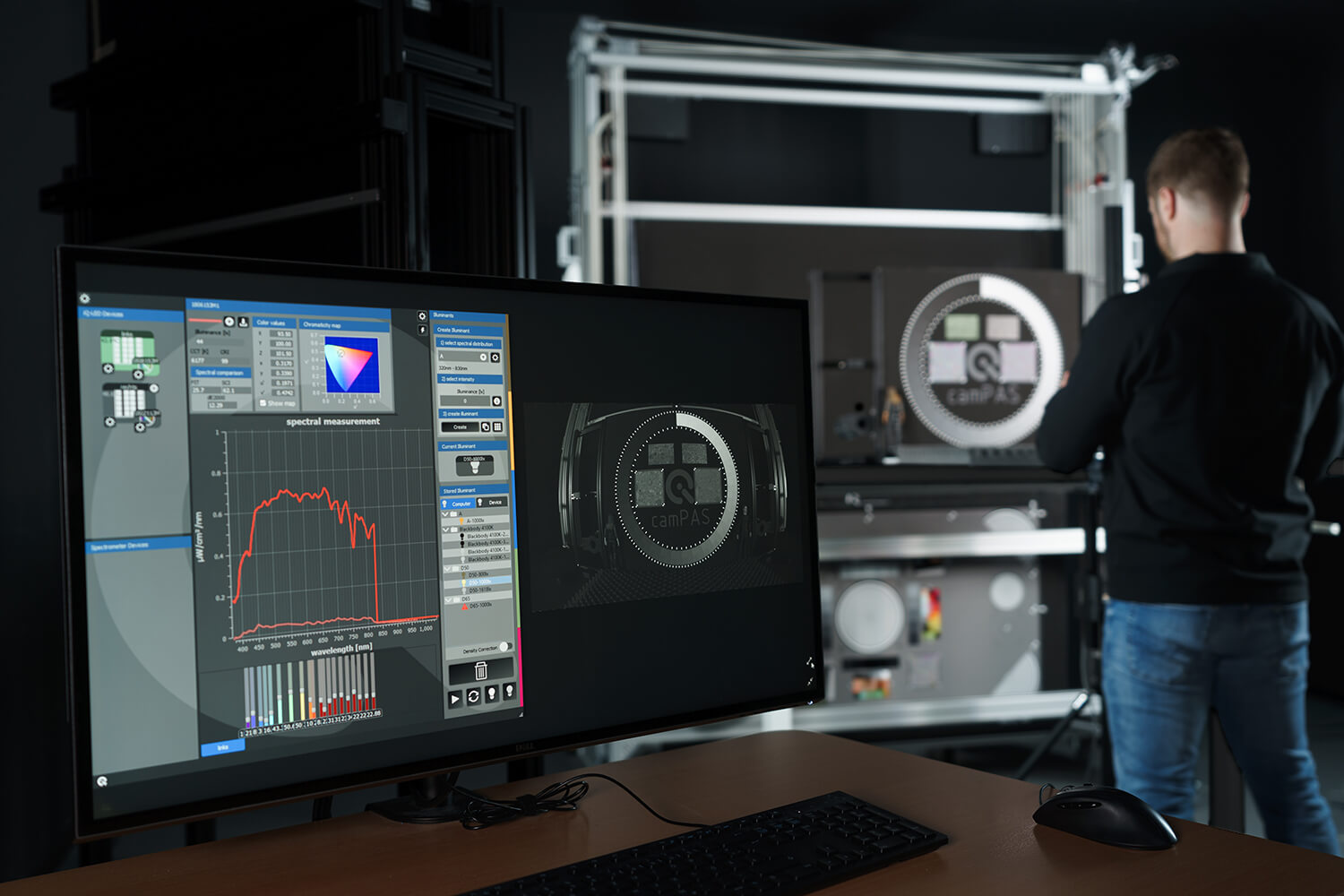
Doing these performance tests requires advanced tools and solutions. At Image Engineering, we offer solutions that align with industry trends, address testing challenges (e.g., simulating extreme weather), and meet international standards.
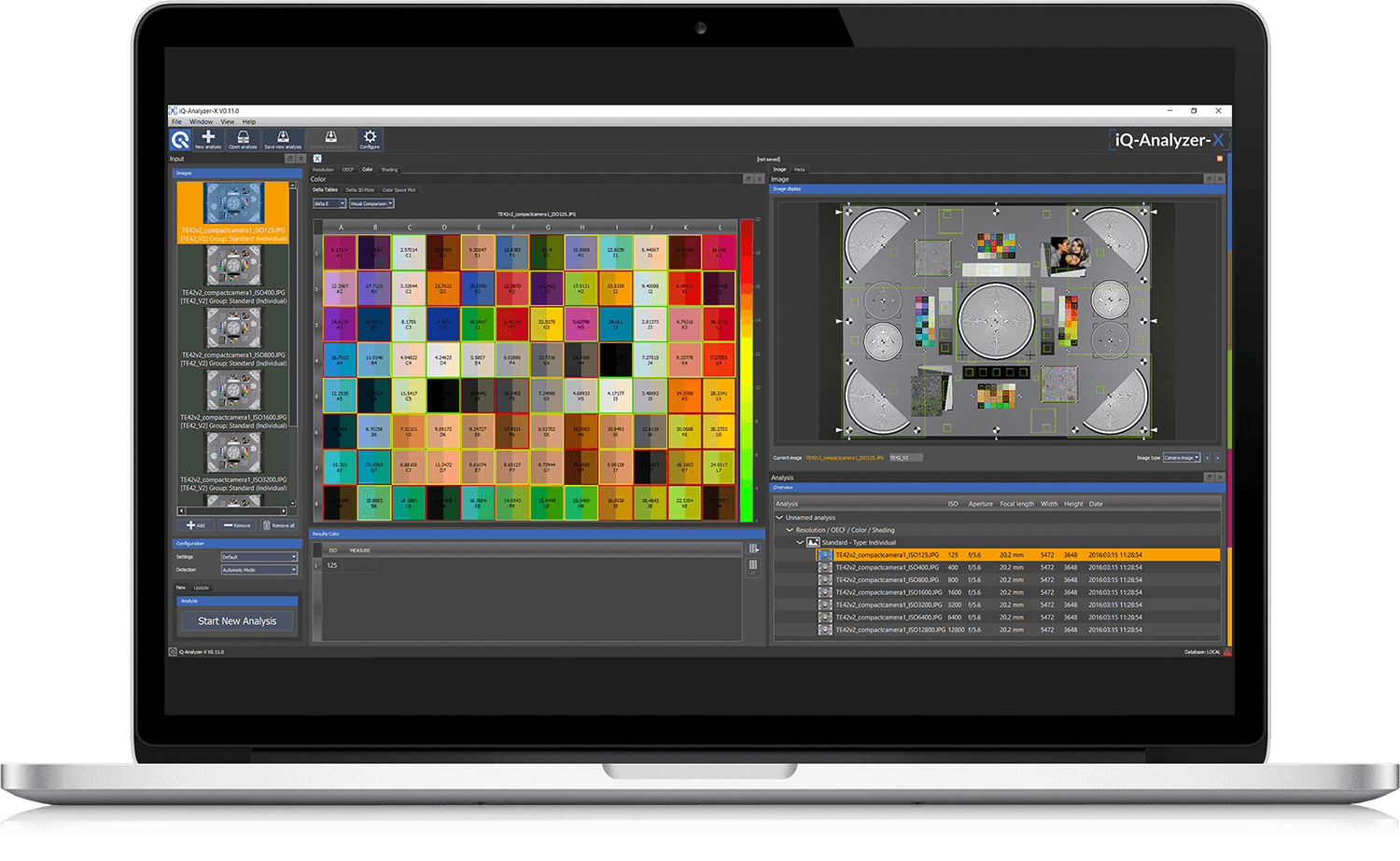
In addition, we recently entered into a strategic partnership with Solectrix to offer advanced solutions for various imaging projects, with a particular focus on the automotive sector. The partnership focuses on SXIVE 2.0, a comprehensive image prototyping solution for image processing and analysis, including rapid prototyping, development, and sensor and ISP evaluations. It also provides modular reference platforms, is test-drive-ready, and is suitable for acceptance testing. SXIVE has implemented our iQ-Analyzer-X for advanced image and video quality analysis.